Sunday, January 10, 2016

Chapter 18, Lesson 4 Outer Planets

Now it's time to wrap-up our survey of the planets of our solar system.  Turn to page 534 and read 534-535.  Be sure to check out the facts chart on Neptune then answer the checkpoint question.

Checkpoint Question:  How does Neptune compare in size to the other planets?

Go ahead and check out the video. 

Neptune

Now turn to p 536.  Read p536-537 about Pluto, its odd orbit, and about objects beyond Pluto.  By the way, what's the name of the object the book calls 2003 UB313?  Now answer the checkpoint question:

Checkpoint:  List the planets in order from smallest to largest.  Be sure to use the Fact charts to get their sizes (or look at the guided inquiry at the beginning of the chapter.

Now check out the videos on Pluto and Eris. 

Pluto


Eris and the Kuiper Belt


Friday, January 8, 2016

Chapter 1 Body Systems, Lesson 1 You are growing

Lesson Focus:  As you grow your body will change.

Vocabulary:


cell


trait


nucleus


tissue


organs


system.

Start with this video:


Start by opening your books to page 4.  Go through the lesson and jot down the words in yellow and find definitions for each of them.

Now read pp. 4-5 about Traits. Then answer this question:

1.  Describe how you might have ended up with an inherited trait from your grandmother.

Now read pp. 6-7 about what cells are and what they do.  Then answer this question:

2.  Tell how organs are alike and different.

Finally read pp. 8-9 and answer this question:

3.  Why does your body change during adolescence?

Think you're ready for the quiz?  Give it a shot!

Quiz on You are Growing.

Tuesday, January 5, 2016

Chapter 18, Lesson 3: What do we know about Jupiter, Saturn, and Uranus?

Today we are going to be looking at the gas giants that make up many of the outer planets of our solar system.  These worlds are called "gas giants" because they are made up of gas (like oxygen and hydrogen) and they are truly gigantic worlds.  However they are not worlds like Earth and the inner planets which are rocky!  In fact, you really can't even walk on these planets because there is no land on any of them!

Now go on and open your book to page 528 and read up on Jupiter!  As you read answer these questions:

1.  What is a gas giant?
2.  What is the Great Red Spot and how big is it?


Here's a video on Jupiter to check out:

Now turn to page 530 and read about Saturn.  Once you've read over the page answer these questions.

1.  What are Saturn's rings made of?


Now check out this video on Saturn.


Off to Uranus.  Turn to page 532 and read about this tilted planet!  Now show me what you know by answering these questions.

Here's a video on Uranus.


1.  How is the atmosphere of Uranus different from that of Saturn?
2.  How is Uranus different from other gas giants?

Think you know about about these gas giants?  Then try your luck with this on-line quiz!

Gas Giant's Quiz


Monday, December 21, 2015

Chapter 18, Lesson 2: Inner Planets.

Before you get started with exploring the inner planets of our solar system go to page 522, jot down and define the vocabulary words, and look over the pictures and "fact charts" on each of the inner planets.  Make a list of their names and an interesting fact or two about each.

Vocabulary:

Craters


Space Probes


Satellites


Planets

Now look over pp. 522-523.  Read over Mercury and Venus then look at the pictures and videos below.

Mercury

Mercury video

Venus


Venus video

Answer these questions in your journal:
1.  What are some reasons why people cannot live on Mercury or Venus?
2.  How much farther from the Sun is Venus than is Mercury?


Look over pp. 524-525.  Read about Earth and the Moon then look at the pictures and videos below.


Earth

Earth Video


The Moon (Luna)


The Moon (Luna) Video


Now answer this question in your journal:
1.  What make life possible on Earth?


Look over pp. 526-527 about Mars.  Then look at the video and picture below.

Mars

Mars Video


Answer these last questions in your journal:
1.  Why is the soil on Mars red?
2.  What characteristics do Earth and Mars have in common?
3.  What might scientists predict if the rovers find water on Mars?

Think you're ready?  Now take the quiz!! You'll see these questions again in our class quiz!

Lesson 2 on-line quiz

Wednesday, December 16, 2015

Chapter 18, Lesson 1 What makes up the universe?

Today we're going to explore the universe by looking at the things we know about  it.

Go ahead and jot down today's vocabulary:


Astronomy
A crash course in astronomy


Universe
The universe
A crash course in the universe


Galaxy
What is the Milky Way?


Solar System
How big is the solar system?
A lesson on the solar system.

Now look over pages 518-521.  Read the pages, look at the pictures, and answer the checkpoint questions on page 519 and page 521.

Now take the quiz!

Quiz

Tuesday, November 17, 2015

Chapter 17, Lesson 2, Pt 1: What patterns can you see in the sky?

Let's start this lesson by talking.  Turn to your partner and explain what you know about patterns and what patterns in the sky could be.  Be ready to share with the class.


Today and tomorrow we'll be looking at various patterns in the sky.  Today we'll focus on the Earth, Sun, and Moon.  Later we'll look at the stars!

I want you to pair off with a neighbor and do some research to answer the questions below. One of you will be the recorder and write down answers to these questions as you go.  


1.  What causes the apparent repeated changes of the Moon's shapes?

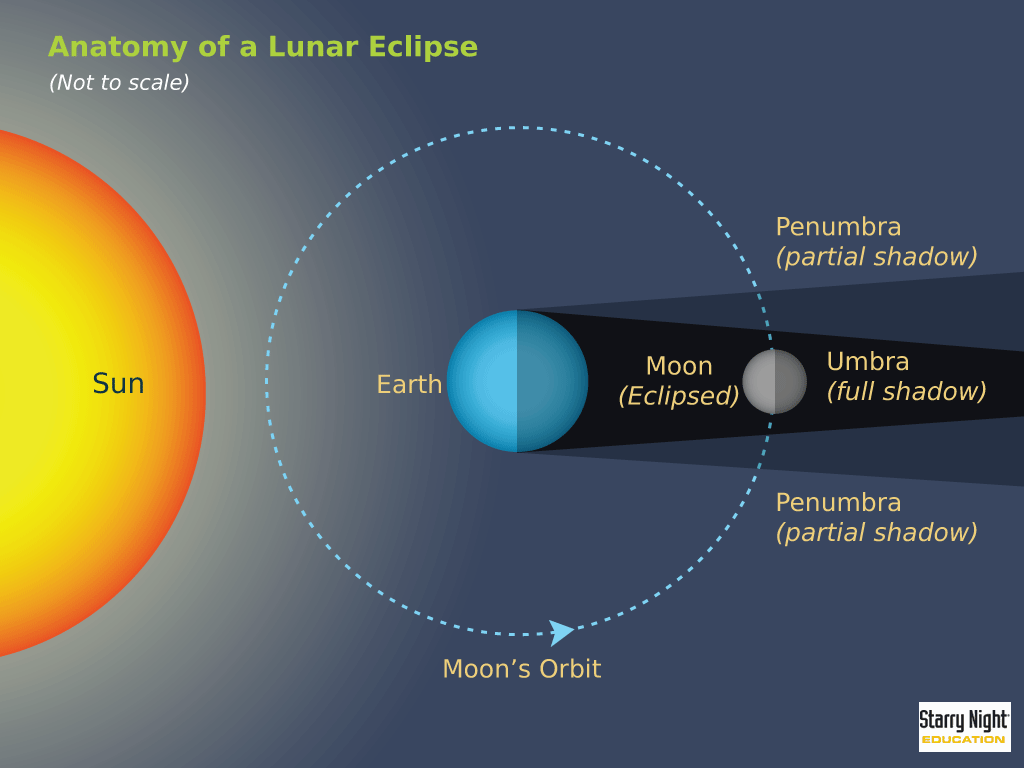
2.  What is an eclipse and how is lunar eclipse different from a solar eclipse?

Here are some videos, pictures, and text references to help you answer the question. Focus on answering the questions, not on watching/looking at the resources below.  Write down answers as you find them!  Jot down the answers and be ready to turn them in by the end of class. Be sure to jot down vocabulary words that you don't have and define them in your journal as you go!

You can find text on this on pp. 500-503.  Pages 500-501 are about the Moon and its shapes.  Pages 502-503 are about eclipses


Here's a video about the moon and its phases.


This video is about what eclipses are.


This video shows you what the moon looks like during its various phases.


More on eclipses.


Here are some pictures to look at:


Lunar and Solar Eclipses

Phases of the Moon

More on phases  

Chapter 17, Lesson 2, Pt 2


Go ahead and open your books to page 505.  Work with your partner to read through lesson 2. Answer the checkpoint review questions at the bottom of each page.  Answer the questions on a page that you can turn in.

After you're done go ahead and check out the videos below.